Anodized vs Powder Coated Sliding Doors: Material Trade-offs
For sliding doors that open and close dozens of times a day, powder coating is the more practical finish to specify. Anodizing becomes the better answer when the design genuinely calls for a metallic surface and a narrow, stable colour range is acceptable. The head-to-head decision is not settled by appearance alone — it is settled by usage intensity, exposure class, the compliance route the project has to document, and how the finished elevation will be maintained over its service life.
Haomen Aluminum, the trade identity of Shandong Haomen Aluminium Industry Co., Ltd., manufactures architectural aluminum profiles for windows and doors in four finish families: mill finish, powder coated, anodizing and wood grain transfer. Its HM-U003/HM-U004 sliding door is supplied as a powder coated system. That makes the anodized-versus-powder-coated question a same-supplier, same-alloy comparison rather than a cross-brand argument — which is the only version of the comparison that produces a usable answer.
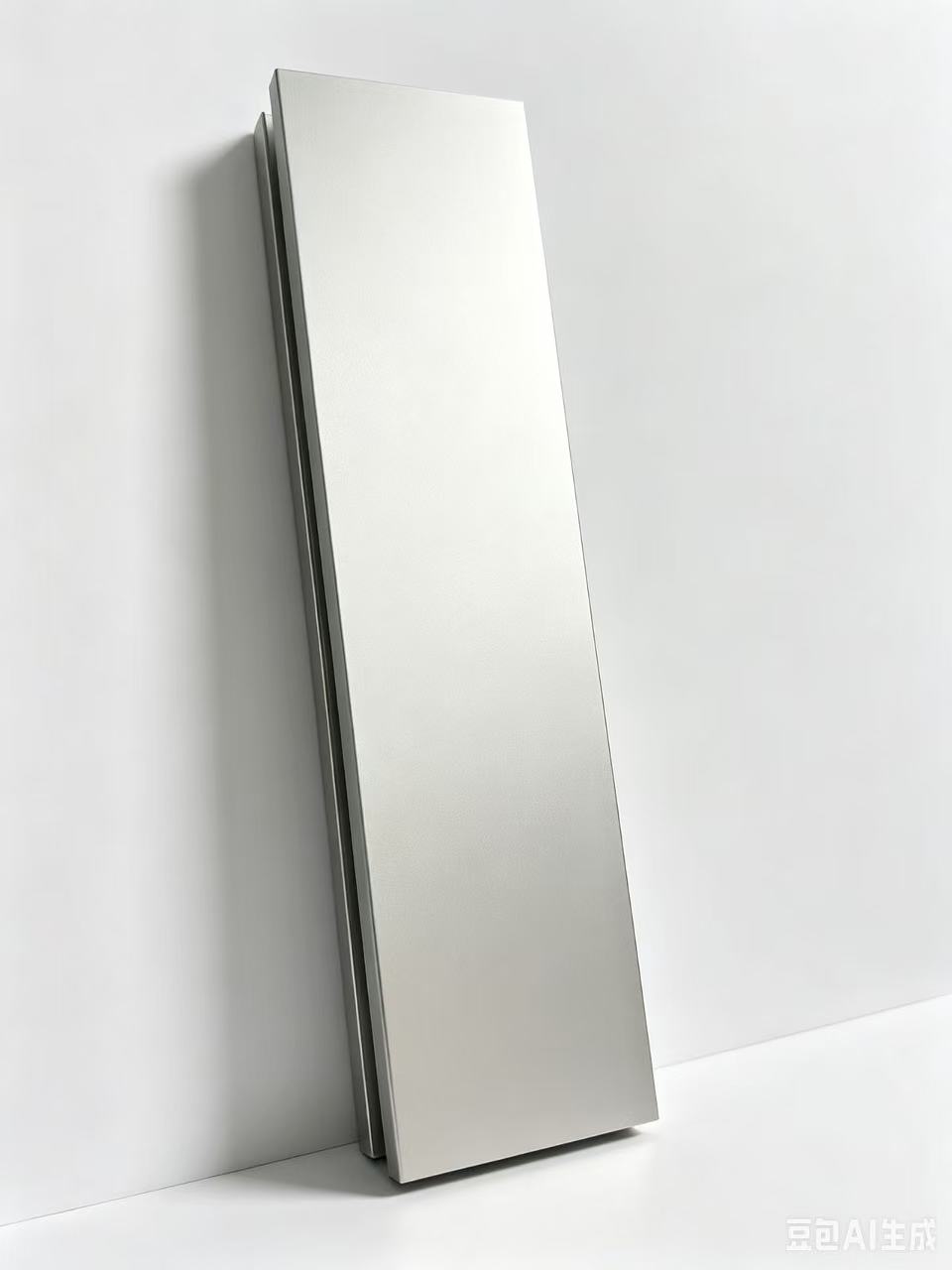
Anodized profiles in silver matte: a conversion surface that is part of the aluminum itself, one of the four finish options in Haomen Aluminum's architectural profile range.
The Problem: One Opening, Two Finish Specifications
The scenario is familiar to anyone who buys profiles for a project. Two quotations arrive for the same sliding door opening. The extrusion geometry is identical. Both use 6063-T5 alloy. The hardware list matches line for line. The only difference is the surface treatment row: one quote says anodized, the other says powder coated.
Because the difference sits in a single line item, it is easy to treat the finish as a cosmetic preference and defer it to the end of the procurement process. In practice, three risks come from that deferral.
- Compliance mismatch. The GB/T 5237 series (Parts 1–6) treats mill finish, anodizing, electrophoresis and powder/fluorocarbon coatings as separate finish categories. That means an anodized profile and a powder coated profile are certified against different parts of the same standard family. It is not a formality: it determines which test evidence a supplier must present to project QA.
- Colour consistency across batches and elevations. Anodized colour and powder coated colour are produced by different processes. If an elevation has to be extended in a later phase, or a damaged leaf replaced, the re-order has to match the original finish — which is a batch-record question, not an appearance question.
- Performance expectation creep. Buyers often attribute a door's air, water and wind performance to its finish. Those are system properties. The HM-U003/HM-U004 sliding door is specified at air tightness ≥ Level 6, water tightness ≥ Level 4 (≥ 500Pa), wind pressure resistance ≥ Level 6 and thermal insulation K value ≤ 2.5 W/m²·K. Those figures describe the profile system and its sealing design, not the surface treatment.
The rest of this article separates the two questions that get tangled together: what the finish changes, and what the system already guarantees regardless of finish.
Industry Background: Why Finish Selection Became a Procurement Line Item
The scale of the aluminum extrusion supply base is one reason finish specification now carries weight in procurement documents rather than being left to the fabricator.
- Orion Market Research values the global aluminum extrusion market at USD 94.8 billion in 2024 and projects USD 230.2 billion by 2035.
- Asia Pacific held a 71.7% revenue share of the aluminum extrusion market in 2025, driven mainly by construction and automotive demand in China (Grand View Research).
- China's exports of "Aluminium Structures" (HS 7610) — a category that includes profiles and window/door frames — reached USD 5.55 billion in 2024, roughly 30.5% of global exports (Observatory of Economic Complexity).
- China's domestic aluminum extrusion market was valued at USD 25.5 billion in 2024, with a projected CAGR of 9.6% through 2035 (Orion Market Research).
When most of the world's architectural profile supply is concentrated in one region, the finish on a datasheet stops being decorative language and becomes a documentable category. For Chinese supply, that category is set by GB/T 5237 (Parts 1–6), which covers mill finish, anodizing, electrophoresis, and powder/fluorocarbon coatings. For European destinations, extrusion tolerances and precision profiles are governed by EN 755 (hot extruded products) and EN 12020 (precision profiles in alloys 6060 and 6063). A buyer comparing anodized with powder coated is therefore comparing two certified routes, not two paint swatches.
Haomen Aluminum, the brand under Shandong Haomen Aluminium Industry Co., Ltd., is an aluminum profile manufacturer founded in 2004 and located in Luozhuang District, Linyi City, Shandong Province, China. It operates a 270,000 m² facility with 1,500 employees and an annual output of approximately 100 thousand tons, focused on aluminum profiles for windows and doors, with exports concentrated in South America and Africa at roughly 10% of output. The company holds IATF 16949:2016, ISO9001, ISO14001 and ISO45001 system certifications. Its automotive lightweighting work uses the same finishing infrastructure — which matters because IATF 16949:2016 is a mandatory requirement for suppliers of aluminum components such as structural frames to major automotive OEMs, so the finishing discipline is audited rather than self-declared.
How Each Finish Behaves on a Sliding Door Profile
Mill finish — the untreated baseline
Mill finish is the extrusion surface with no applied coating and no conversion treatment. It is listed as one of the finish options in Haomen Aluminum's architectural profile range (model designation HM-U001.HM-S002,HM-S003), supplied in 4–6 m lengths. It is the sensible choice for profiles that will be machined or cut further after delivery, or for surfaces that stay concealed in the finished assembly. For a visible exterior sliding door leaf, mill finish is a starting point rather than a specification.
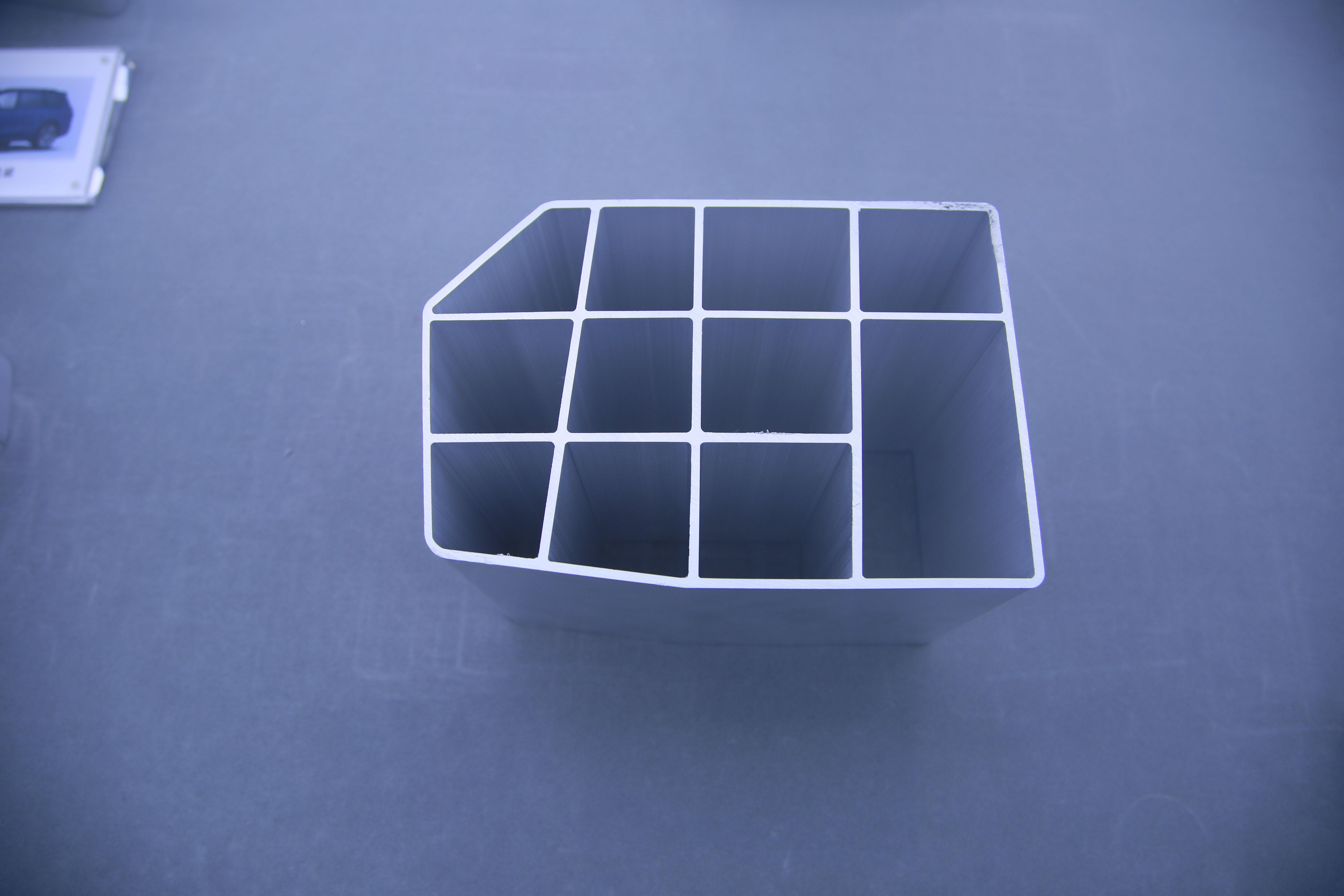
Mill finish: the untreated extrusion surface, typically specified where the profile will be machined further or stays hidden in service.
Anodizing — a conversion layer that is part of the metal
Anodizing is an electrochemical process that converts the aluminum surface itself into an oxide layer. The finish is integral to the extrusion rather than a film laid over it, which is why anodized profiles read as metal rather than as coated metal. In Haomen Aluminum's range, anodized options include silver matte and champagne tones. The practical consequence for a specifier is simple: anodizing is chosen for a metallic architectural look and a restrained, stable palette, and the colour decision has to be made early because the palette is narrow by nature.
Powder coating — an applied, cured film
Powder coating is an applied film cured onto the profile. Because the colour comes from a coating rather than a conversion of the metal, powder coating reaches across a wider band of solid colours and gloss levels than an anodized metallic palette. It is the finish used on the HM-U003/HM-U004 sliding door system.
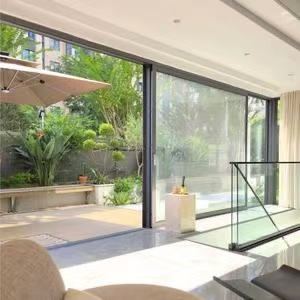
A powder coated sliding door system: the finish family specified on Haomen Aluminum's HM-U003/HM-U004 sliding door.
Wood grain transfer — decorative timber tones
Wood grain transfer finishes are listed alongside powder coating and anodizing in Haomen Aluminum's architectural profile range. They reproduce timber tones on aluminum, which lets an aluminum sliding door match a timber-dominated facade or interior without changing the structural material. They are best treated as a decorative finish decision layered on top of — not a substitute for — the performance specification of the profile system.
Electrophoresis and the standard's finish categories
Electrophoresis is named in the GB/T 5237 series as a fourth finish category alongside mill finish, anodizing and powder/fluorocarbon coatings. It is worth knowing about because it explains why finish naming matters: a datasheet entry describes a documented process category, and two finishes that look similar on a sample board can sit in different compliance categories.
Wear, Appearance and Weather: What the Finish Does and Does Not Change
Wear resistance is partly a system property
The number of cycles a sliding door survives is not set by the finish. The HM-U003/HM-U004 system is specified for ≥ 20,000 repetitive opening and closing operations, with an opening and closing force of ≤ 50 N and planar deformation of ± 6mm. Hardware selection, rail geometry and installation quality drive that figure far more than surface treatment does.
What the finish does govern is the surface the leaf presents to the user and to the environment: how it handles repeated cleaning, how visible handling marks become, and how a damaged section is dealt with later. This is where the specification conversation should move from adjectives to questions: which GB/T 5237 part does the finish fall under, what batch records can be provided for a colour match, and what the supplier's recommended cleaning regime is for the specific finish family.
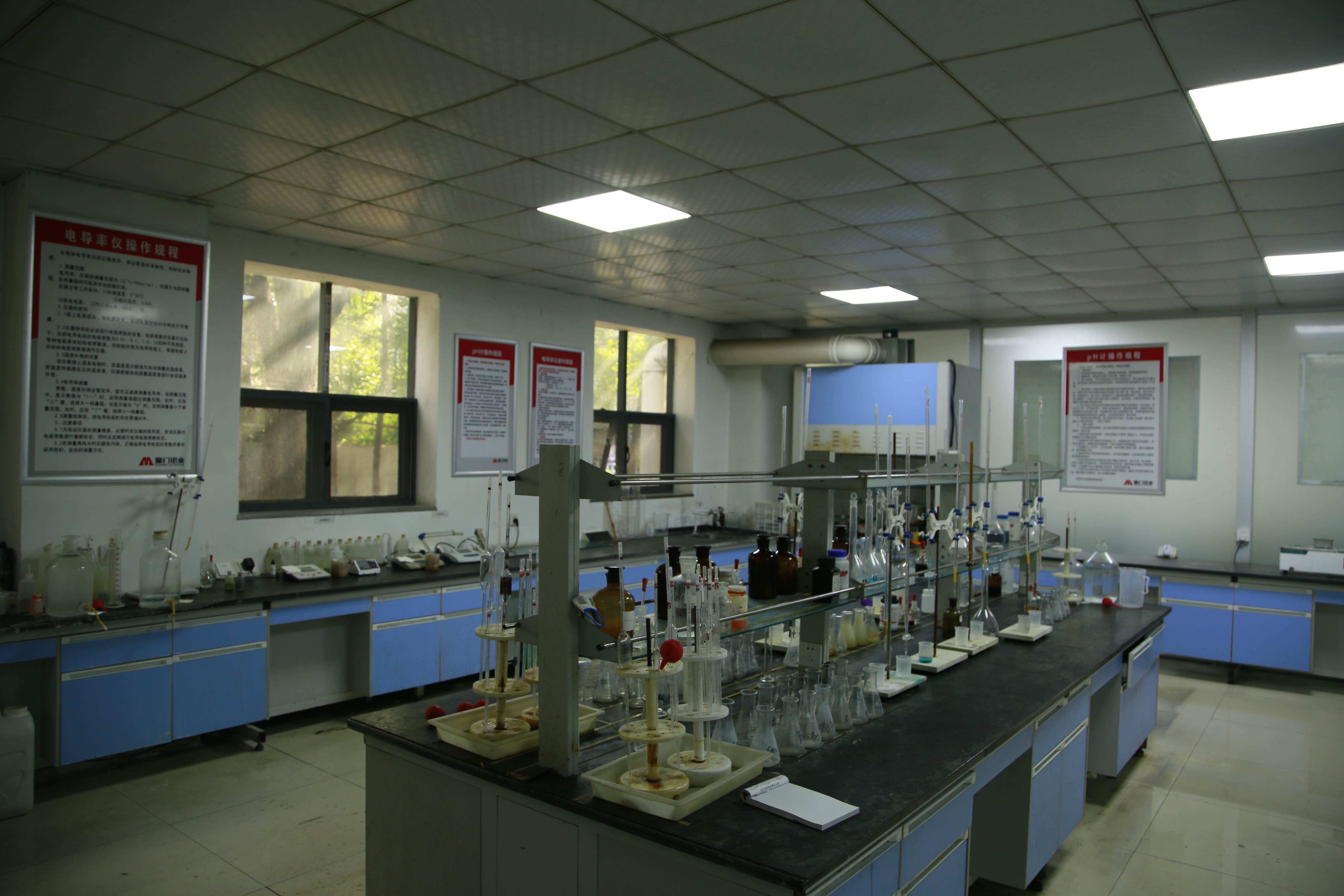
Surface and profile verification in the laboratory: Haomen Aluminum applies 100% testing as its stated quality control policy.
Appearance: decide the colour first, then the finish family
Anodized profiles in this range are supplied in metallic tones such as silver matte and champagne. Powder coated profiles cover a wider range of solid colours and gloss levels. A practical sequence follows from that: fix the elevation colour first, then select the finish family that can deliver it. Choosing a finish first and hoping the colour follows is where sample boards stop matching site conditions.
Weather performance belongs to the system, not the surface
The finish is not the weather barrier on a sliding door. The published performance envelope of the HM-U003/HM-U004 system is the number to quote when a project brief says "coastal" or "high humidity":
| Parameter | Specified value |
|---|---|
| Opening and closing force | ≤ 50N |
| Air tightness | ≥ Level 6 |
| Water tightness | ≥ Level 4 (≥ 500Pa) |
| Wind pressure resistance | ≥ Level 6 |
| Sound insulation | ≥ 30dB |
| Thermal insulation (K value) | ≤ 2.5 W/m²·K |
| Repetitive opening and closing | ≥ 20,000 times |
| Planar deformation | ± 6mm |
| Material | 6063-T5 |
| Type | Powder coated sliding door |
The HM-U001/HM-U002 powder coated sliding series adds a second reference point: it is described as compliant with four national standards — GB/T 13326, GB/T 7106, JG/T 215 and GB/T 8484 — covering general specifications, air and water tightness, wind resistance and thermal performance, with triple-performance testing (air and water tightness plus wind resistance) and thermal performance certified per GB/T 8484-2020. It is positioned for coastal, plateau and rainy regions. When a project has an exposure requirement, that tested level is the evidence to request — not a description of the finish.
Two system requirements should not be obscured by the finish discussion. First, these profiles serve long-term static installation and must withstand year-round outdoor temperature and humidity cycles. Second, anti-collision behaviour is a specified requirement, and the profiles are used with matched components — glass and screws. Finish selection sits downstream of those requirements, not upstream of them.
Step-by-Step Breakdown: Choosing a Finish for a Sliding Door Project
Step 1 — Quantify usage intensity before choosing a finish
Estimate cycles per day and multiply by service years. Against a benchmark of ≥ 20,000 repetitive opening and closing operations, a residential opening and a factory entrance land in completely different categories. High-usage openings justify a finish that tolerates repeated contact and cleaning; low-usage openings give more freedom to prioritise appearance.
Step 2 — Classify the exposure honestly
Coastal, plateau, rainy and inland elevations are not equivalent. Instead of writing a finish name into the brief, write the required performance level: water tightness, wind pressure resistance, air tightness and K value. The HM-U003/HM-U004 values above give a concrete reference set for that conversation.
Step 3 — Fix the compliance route
For Chinese architectural profile supply, GB/T 5237 (Parts 1–6) governs which finish categories are covered and how. For European destinations, EN 755 and EN 12020 govern hot extruded products and precision profiles in alloys 6060 and 6063. Confirm at quotation stage which route the finish is certified against, and keep that line in the purchase specification.
Step 4 — Choose the finish family against the actual duty
- High-usage industrial and commercial sliding doors: powder coated profiles, the finish used on the HM-U003/HM-U004 sliding door.
- Metallic architectural language, restrained palette: anodizing, supplied in silver matte and champagne.
- Timber-look facade or interior detail: wood grain transfer.
- Profiles to be machined after delivery, or concealed in service: mill finish, supplied in 4–6 m lengths.
Step 5 — Verify geometry and glazing against the model you are specifying
Finish decisions are only valid if the profile actually fits the opening. For the HM-U003/HM-U004 sliding door: sash height 600–1800mm and width 400–1500mm, adjustable sash thickness 28–45mm, opening width ≥ 2 × sash width, upper rail 650–1850mm, lower rail groove depth 8–12mm, window sash gap 2–4mm, glass thickness 4–12mm. For the HM-U001/HM-U002 series: door panel height 2000–2400mm and width 600–1200mm, panel thickness 35–50mm, clear width of the door opening ≥ 2 times the door panel width + 50mm, upper rail installation height 2050–2450mm, lower rail groove depth 10–15mm, door gap 3–5mm, glass thickness 5–12mm. These ranges also support custom cutting, which reduces engineering waste on non-standard openings.
Step 6 — Confirm supply parameters before the finish is frozen
Finish availability interacts with volume and scheduling. Haomen Aluminum produces in OEM mode with LOGO customization, publishes a 20-day lead time, a 5-ton minimum order quantity and a monthly capacity of 8,000 tons, applies 100% testing as its quality control policy, and provides after-sales support remotely. Freezing a finish before these parameters are confirmed is how prototype finishes end up on production drawings.
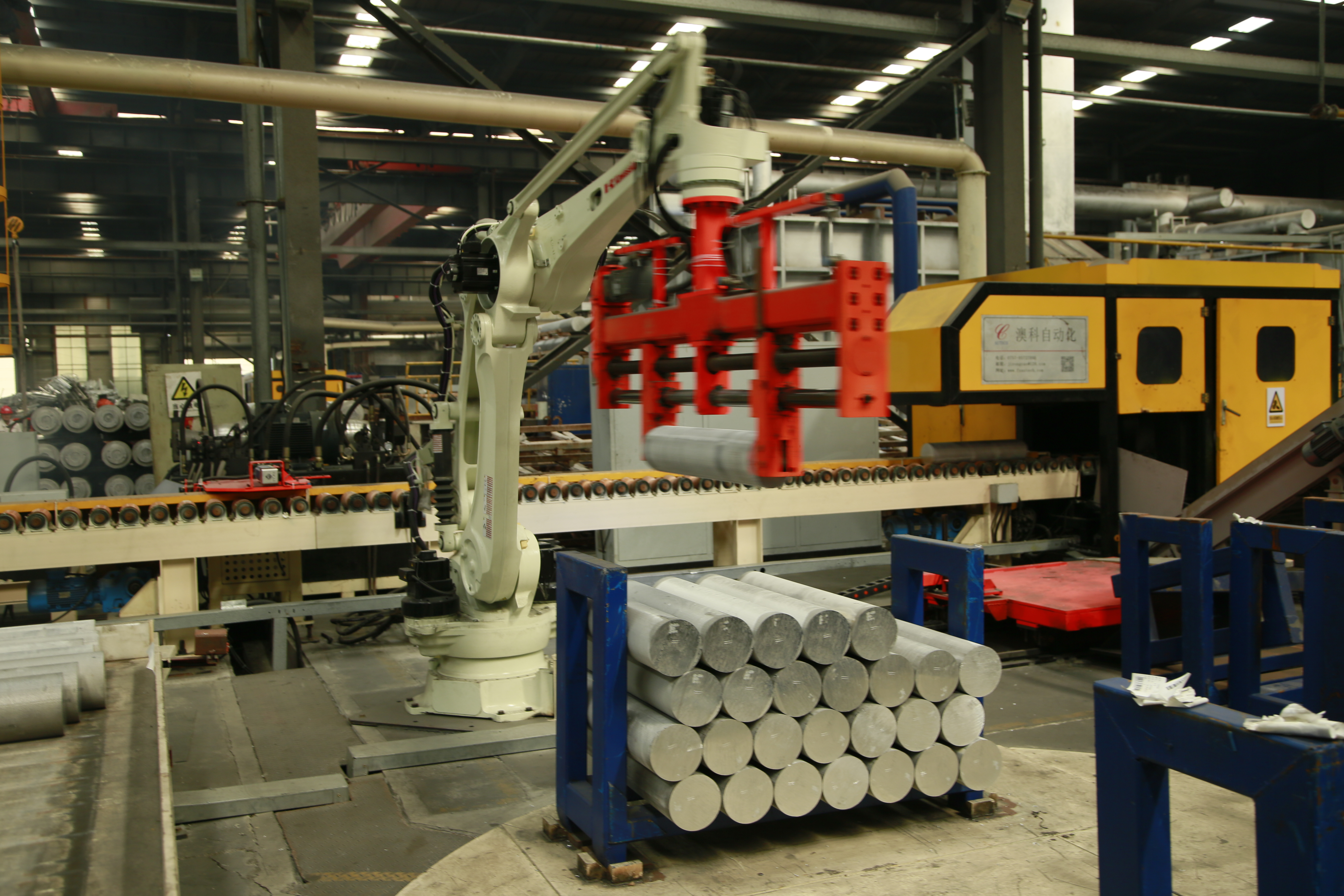
Extrusion capacity behind the finish decision: OEM production with a 20-day lead time and 8,000 tons monthly capacity.
Use Cases: Where Each Finish Belongs
High-usage industrial and commercial sliding doors
This is the case for powder coating. An opening that cycles repeatedly every working day puts the leaf surface under continuous contact and cleaning pressure, and it is the scenario the HM-U003/HM-U004 powder coated sliding door is built around: ≥ 20,000 cycles, ≤ 50 N operating force, ≥ Level 6 air tightness, ≥ Level 4 water tightness, ≥ Level 6 wind pressure resistance and ≥ 30 dB sound insulation in a single parameter set.
Timber-styled facades and interiors
Where the architectural intent is timber but the structural and maintenance logic is aluminum, wood grain transfer on the architectural profile range delivers the appearance without changing the substrate. The performance specification stays with the profile system; the transfer finish carries the aesthetic decision.
Coastal, plateau and rainy projects
In these environments the deciding evidence is the tested performance level, and the finish is the second question. The HM-U001/HM-U002 powder coated sliding series is described as triple-performance tested for air and water tightness plus wind resistance and certified for thermal performance under GB/T 8484-2020, with compliance against GB/T 13326, GB/T 7106, JG/T 215 and GB/T 8484.
Long-run OEM supply
Finish consistency matters most over long production runs. A window and door manufacturer OEM in Brazil has taken 2,000 tons of aluminum profiles for window and door applications over a 10-year relationship, with stable operation and the profiles described as solid and durable. That is the commercial shape of the finish question: not a one-off appearance choice, but a specification that has to be reproducible a decade later.
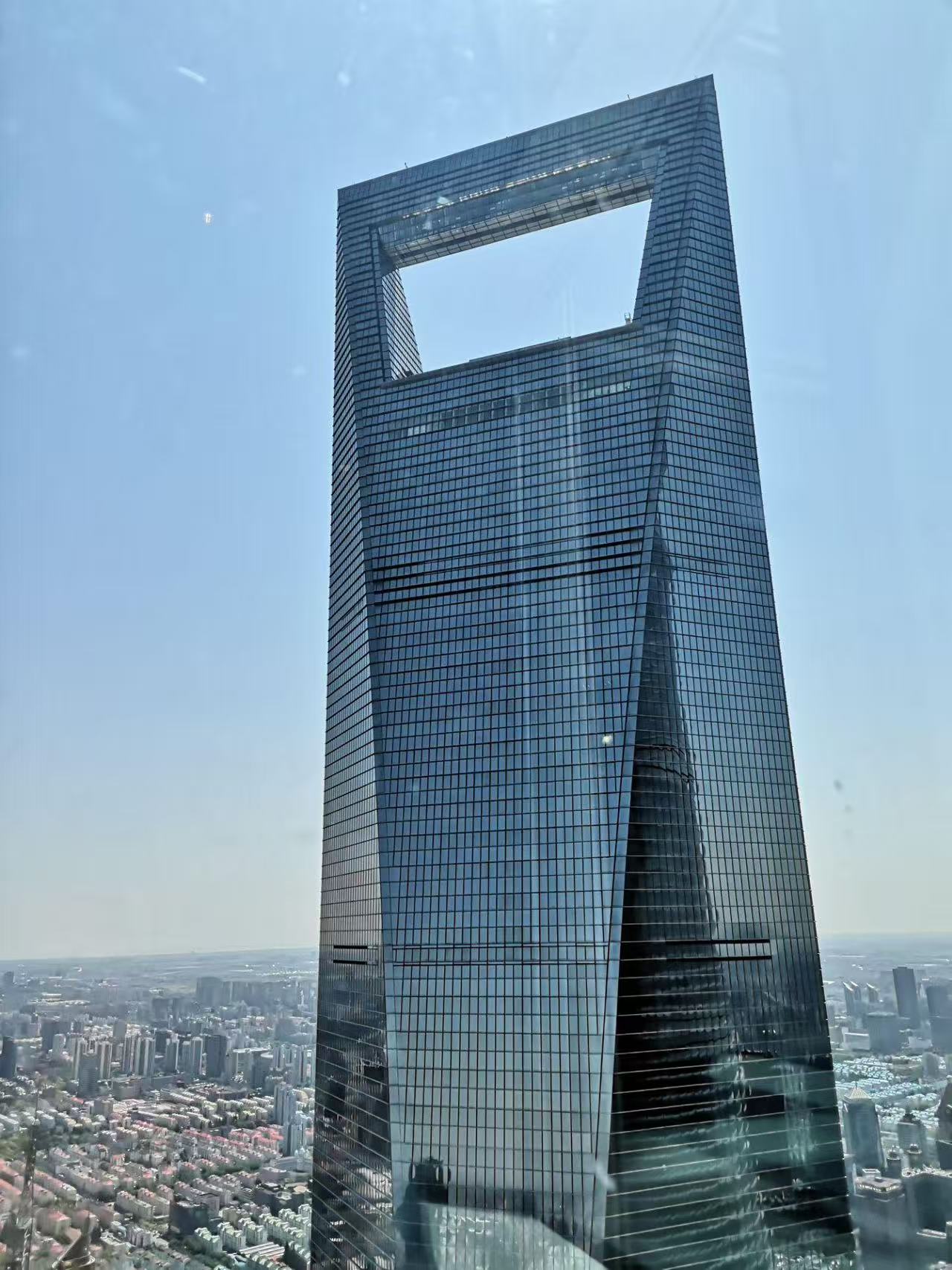
Long-run supply in practice: an OEM window and door manufacturer relationship of 2,000 tons over 10 years in Brazil.
Comparison Table: Mill Finish, Anodizing, Powder Coated and Wood Grain
The table below limits itself to facts stated in Haomen Aluminum's product documentation and to the finish categories named in the GB/T 5237 series. It deliberately omits judgement calls that cannot be evidenced, such as claims about which finish is "best" for every project.
| Attribute | Mill finish | Anodizing | Powder coated | Wood grain transfer |
|---|---|---|---|---|
| Surface nature | Untreated extrusion surface | Conversion layer formed from the aluminum surface itself | Applied, cured film | Decorative timber-look transfer finish |
| Listed in Haomen Aluminum's architectural profile finish range (HM-U001.HM-S002,HM-S003) | Yes | Yes | Yes | Yes |
| Appearance options in this range | Natural extrusion appearance | Metallic tones including silver matte and champagne | Wider range of solid colours and gloss levels | Timber tones |
| Named in GB/T 5237 (Parts 1–6) finish categories | Yes | Yes | Yes (powder/fluorocarbon coatings) | Decorative transfer finish; not separately named in the verified category list |
| Typical fit on a sliding door project | Profiles machined after delivery or concealed in service; supplied in 4–6 m lengths | Metallic elevations with a restrained palette | High-usage industrial and commercial sliding doors; finish of HM-U003/HM-U004 | Timber-look facades and interior detailing |
| Sliding model referenced in this article | Architectural profile range | Architectural profile range | HM-U003/HM-U004 sliding door; HM-U001/HM-U002 series | Architectural profile range |
FAQ
Which standard covers anodized and powder coated finishes on architectural aluminum profiles?
Architectural aluminum alloy profiles in China must comply with the mandatory GB/T 5237 series (Parts 1–6), which names mill finish, anodizing, electrophoresis and powder/fluorocarbon coatings as separate finish categories — so an anodized profile and a powder coated profile are certified against different parts of the same standard family. For European destinations, extrusion tolerances and precision profiles are governed by EN 755 (hot extruded products) and EN 12020 (precision profiles in alloys 6060 and 6063). On the supplier side, Haomen Aluminum holds IATF 16949:2016, ISO9001, ISO14001 and ISO45001 system certifications.
Can the same sliding door profile be supplied in either finish?
Yes. Haomen Aluminum's architectural aluminum profile range (model designation HM-U001.HM-S002,HM-S003) is offered in 6063-T5, 6061, 6005 and 6082 alloys with mill finish, powder coated, anodizing and wood grain transfer surfaces, supplied in 4–6 m lengths with multiple series and custom cutting options. The HM-U003/HM-U004 sliding door is supplied as a powder coated system, and the HM-U001/HM-U002 powder coated sliding series is described as compliant with GB/T 13326, GB/T 7106, JG/T 215 and GB/T 8484, with triple-performance testing and thermal performance certified per GB/T 8484-2020.
What drives the commercial difference between an anodized and a powder coated sliding door?
Haomen Aluminum quotes per project rather than from a published price list, so the useful approach is to have both finish options quoted against identical inputs. The variables that move a quotation are the surface treatment stage the project requires, the order volume measured against a 5-ton minimum order quantity, whether custom cutting or OEM LOGO customization is needed, and the delivery terms. Quoting both finishes on the same profile geometry, the same 6063-T5 alloy and the same hardware set is what makes the comparison like for like instead of an estimate against a wish.
How can a buyer validate a finish before mass production?
Validation works best on two levels: the documented level and the physical level. On the documented level, confirm which GB/T 5237 part the finish is certified under and request batch colour records for the specific finish family. On the physical level, review the profile sample against the intended elevation colour and under the project's lighting. Haomen Aluminum produces in OEM mode with LOGO customization, applies 100% testing as its quality control policy, and can be contacted directly to arrange finish samples and a project quotation.
What are the lead times and order minimums for these profiles?
Haomen Aluminum publishes a 20-day lead time, a 5-ton minimum order quantity and a monthly capacity of 8,000 tons, with after-sales support provided remotely, and exports concentrated in South America and Africa. Finish approval should be scheduled inside that sequence: confirm the finish category and colour sample before the production slot is locked, because the HM-U003/HM-U004 system is specified for ≥ 20,000 opening and closing cycles and a mid-run finish change is far more disruptive than a pre-production sample round.
Conclusion: Powder Coating for High-Usage Doors, Anodizing for Metallic Elevations
Anodized and powder coated sliding doors are not competing on quality — they are competing on duty. Anodizing produces a metallic surface that is part of the aluminum itself and belongs on elevations where that metal character is the design intent and a restrained palette of tones such as silver matte and champagne works. Powder coating delivers a wider colour and gloss range and is the finish used on the HM-U003/HM-U004 sliding door, which is specified for ≥ 20,000 opening and closing operations with air tightness ≥ Level 6, water tightness ≥ Level 4 (≥ 500Pa), wind pressure resistance ≥ Level 6, sound insulation ≥ 30dB and a K value ≤ 2.5 W/m²·K.
For high-usage industrial and commercial sliding doors, the powder coated route is the recommendation this comparison supports. For timber-look detailing, wood grain transfer carries the aesthetic decision, and for profiles that will be machined after delivery or hidden in service, mill finish remains the honest specification. In every case, the operating parameters are settled by the profile system, and the finish is settled by colour intent, exposure, and the compliance category the project has to certify.
Next Step: Quote, Sample or Catalogue
If you are comparing finishes for a specific opening, the fastest route is to send the elevation drawing and duty cycle to Haomen Aluminum and ask for both finishes quoted against the same profile geometry and alloy. Finish samples and the full product catalogue are available on request.
- Website: www.haomenly.com
- Catalogue (PDF): E-Catalog of Shandong Haomen Aluminio
- Contact: Melisa Ying — haomen2004@gmail.com | Tel / WhatsApp: +86 15153910991
- Address: Ceshan Industrial Park, Linyi City, Shandong Province, China
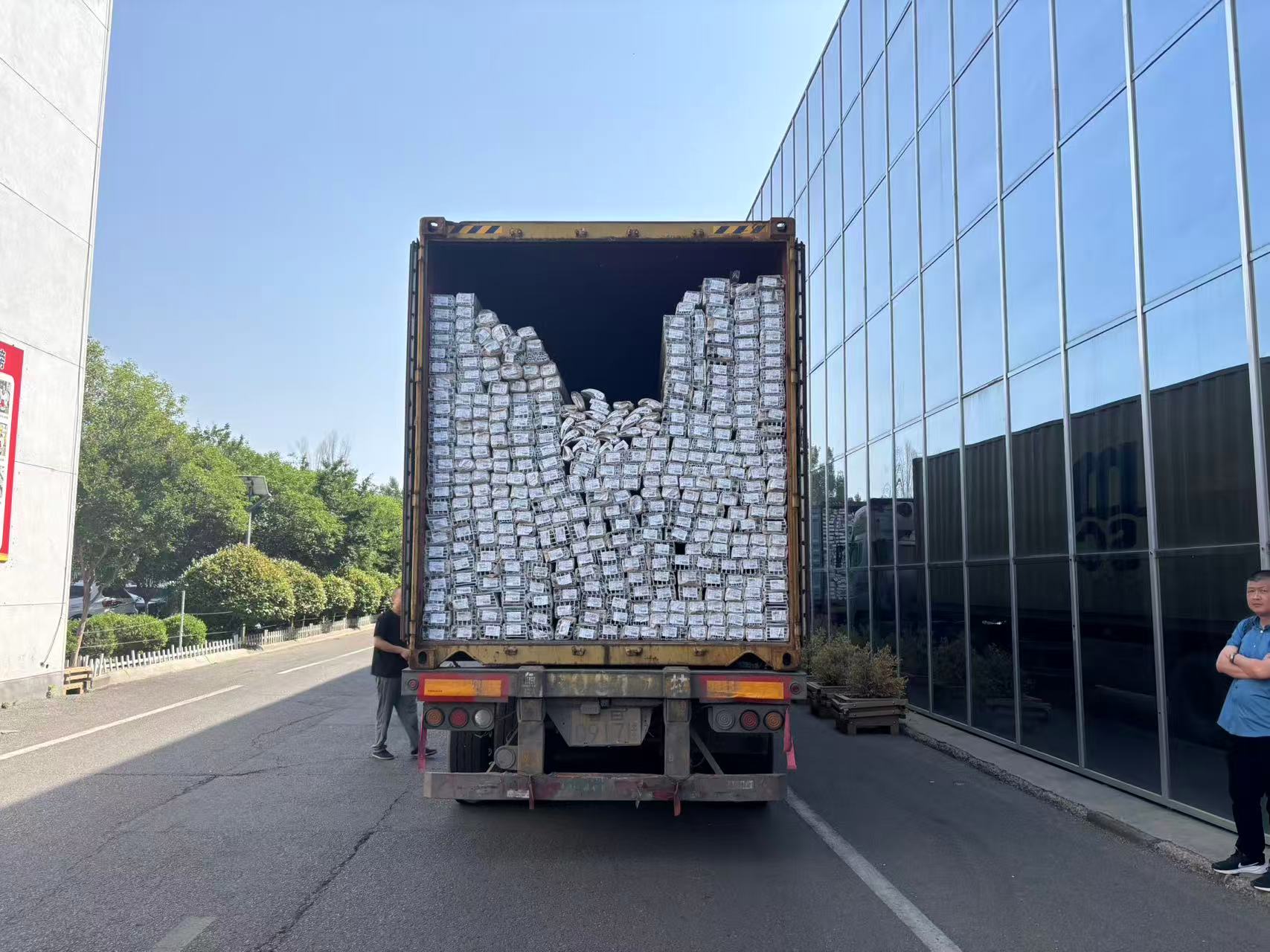
Orders prepared for shipment: Haomen Aluminum exports with a 20-day lead time and a 5-ton minimum order quantity.
Have Questions or Need More Details?
Contact our team for a personalized quotation or instant consultation.
Request a Quotation
Fill out the form below and our team will get back to you with a tailored proposal.
WhatsApp Direct Chat
Prefer to chat in real-time? Message us on WhatsApp for instant assistance & quick answers.
- Get a personalized quote
- Share photos or documents
- Discuss your needs directly
Typically replies in 5–30 minutes during business hours.