
Long-Term Aluminum Profile Partnership: Haomen FAQ & Terms
Long-Term Aluminum Profile Partnership: Haomen FAQ & Terms
A long-term supply relationship with Haomen Aluminum runs on five written terms a buyer can plan around: a 5-ton MOQ, FOB delivery terms, 30/70 payment terms, pre-shipment testing as the acceptance criterion, and a 20-day lead time. Behind those terms sit 8,000 tons of monthly capacity, 100% product testing, a 35-engineer technical team, and IATF 16949:2016, ISO 9001, ISO 14001 and ISO 45001 certification.
That combination answers the questions that actually decide whether a multi-year aluminum profile agreement works: what is committed, how a batch is accepted or rejected, who handles the technical conversation, and where after-sales support begins once the container has sailed. The sections below set out each of those points in the order a purchasing team normally needs them.
Problem Definition: Where Long-Term Aluminum Profile Agreements Usually Break
Supply disputes in the aluminum profile trade rarely start with a product defect. They start with gaps in the agreement that only become visible after the second or third order, when volumes are higher, tooling is committed and switching costs are real.
- Acceptance ambiguity. A specification that says only "anodized" or "powder coated" leaves the buyer and the mill measuring different things. Anodized film thickness, coating adhesion and corrosion performance are each defined by a named standard and a named grade — not by the finish name alone.
- Capacity drift. A supplier that quoted comfortably in a quiet quarter can look very different when its lines are fully booked. Without an agreed release schedule tied to stated capacity, allocation becomes discretionary.
- An undefined after-sales route. When a question arises three weeks after delivery, the answer depends on whether there is a named contact, a technical escalation path and a test record that both sides accepted before shipment.
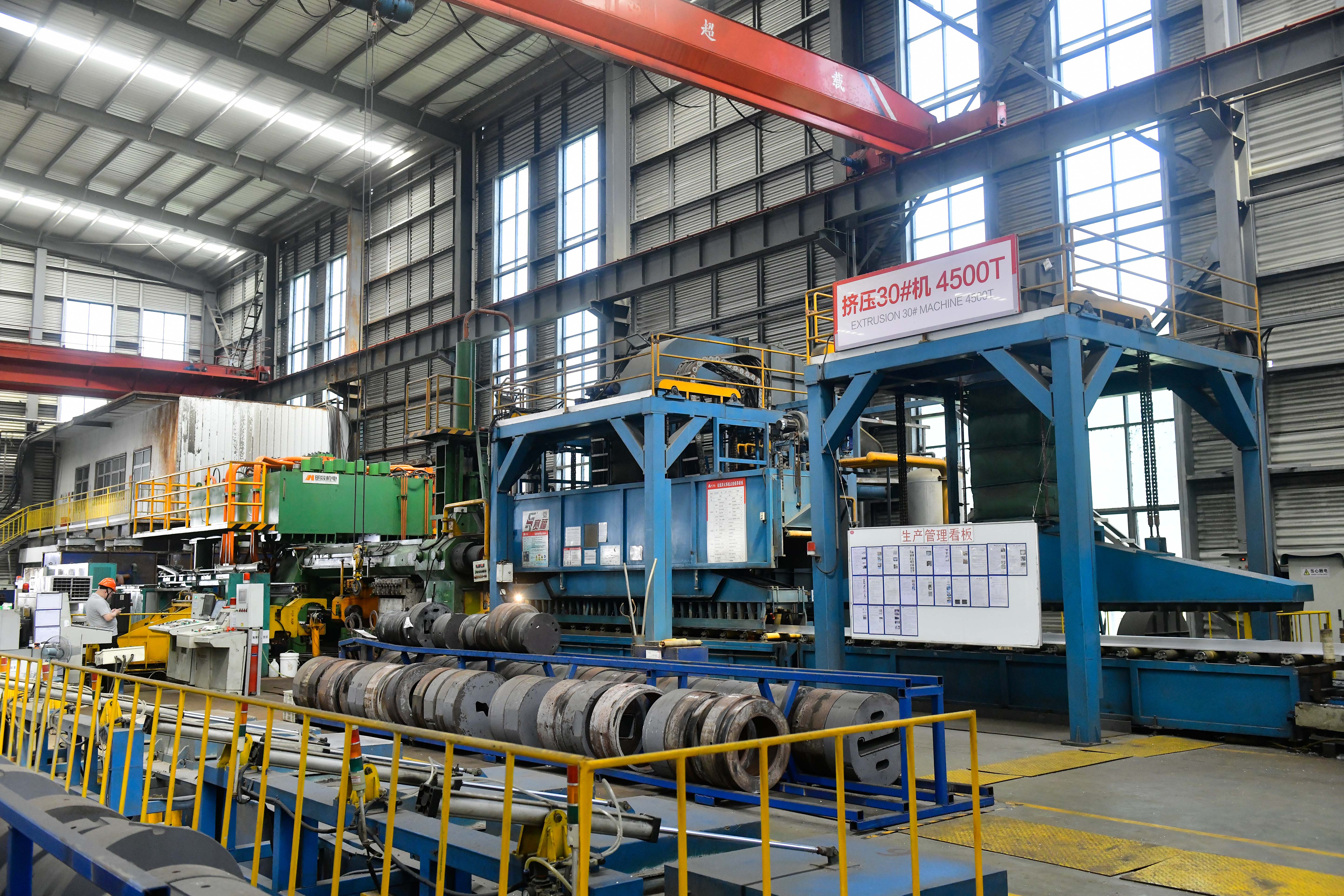
Shandong Haomen Import & Export Co., Ltd. — trading as Haomen Aluminum — is an aluminum profile manufacturer based in Ceshan Industrial Park, Luozhuang District, Linyi City, Shandong Province, China. The company was founded in 2004, operates a 270,000 m² production site, employs around 1,500 people, and produces aluminum profiles for windows and doors as well as industrial applications. It holds IATF 16949:2016, ISO 9001, ISO 14001 and ISO 45001 certification, serves markets that include South America and Africa, and reports an export ratio of 10%.
Industry Background: Why Buyers Are Moving From Spot Orders to Multi-Year Terms
Three structural pressures have pushed aluminum profile buyers away from order-by-order purchasing.
Consumption is concentrated and growing. China's aluminum extrusion consumption is estimated at 22.87 million tonnes for 2025, up from 22.32 million tonnes in 2024, according to AL Circle. The same source puts global primary demand for solar PV module frames at 3.2 million tonnes in 2025. When a single application segment absorbs volumes of that scale, extrusion capacity is not automatically available to a buyer who orders late.
Trade policy now shapes the landed cost of a profile. The United States applies both anti-dumping (case A-570-967) and countervailing duty (case C-570-968) measures to aluminum extrusions originating in China, and the European Union has an anti-dumping measure in force on Chinese aluminium extrusions. Any multi-year plan therefore has to fix origin, HS classification and documentation discipline — HS heading 7604, with its subheadings 7604.10, 7604.21 and 7604.29 — at the contract stage rather than at the customs desk.
Acceptance language has become more precise. China's GB/T 5237 Aluminium Alloy Architectural Profiles is split into six parts: Part 1 base material, Part 2 anodized profiles, Part 3 electrophoretic coated profiles, Part 4 powder coated profiles, Part 5 fluorocarbon coated profiles, and Part 6 thermal-break profiles. For 6063-T5 architectural profiles, the standard specifies minimum mechanical properties of Rm ≥ 160 N/mm², Rp0.2 ≥ 110 N/mm² and elongation A ≥ 8%. A long-term agreement that does not reference a specific part number is, in practice, an agreement to renegotiate at every delivery.
Detailed Solution: How Haomen Aluminum Structures a Long-Term Supply Relationship
1. Commercial terms are fixed once, not renegotiated per order
Haomen's published purchasing terms are short and specific: MOQ of 5 tons, FOB delivery terms, 30/70 payment terms, and pre-shipment testing as the acceptance criterion.
- 5-ton MOQ sets the size of the smallest release. For a buyer moving from trial to series production, it is the natural unit for a first commercial batch and for validating a finish before committing to a seasonal schedule.
- FOB delivery terms keep freight selection, consolidation and insurance with the buyer, which matters for buyers running multi-supplier container programmes.
- 30/70 payment terms split the order into a deposit and a balance, which anchors the release schedule on both sides.
- Pre-shipment testing as the acceptance criterion moves the quality decision to a point in time before the goods leave, when a correction is still cheap.
2. Capacity headroom: 8,000 tons per month
Haomen states a monthly capacity of 8,000 tons alongside an annual output of 100,000 tons. For a buyer, the useful reading of those figures is not the headline number but the ratio: a 5-ton minimum order represents a very small share of one month's capacity, which is what makes scheduled, repeating releases practical rather than opportunistic. Combined with a 20-day lead time, the capacity figure is the basis on which a rolling quarterly schedule can be agreed and held.
3. Quality system and 100% testing
The quality framework is built on four management-system certifications — IATF 16949:2016, ISO 9001, ISO 14001 and ISO 45001 — plus 100% product testing.
IATF 16949:2016 is the automotive quality management system standard published by the International Automotive Task Force, replacing ISO/TS 16949, and certification must be issued by an IATF-recognised certification body. For an aluminum extrusion supplier, holding it is a meaningful differentiator: it indicates process control and traceability discipline built for automotive production parts and service parts, not only for architectural profiles. ISO 9001 is the baseline quality management standard, while ISO 14001 and ISO 45001 cover environmental and occupational health and safety management.
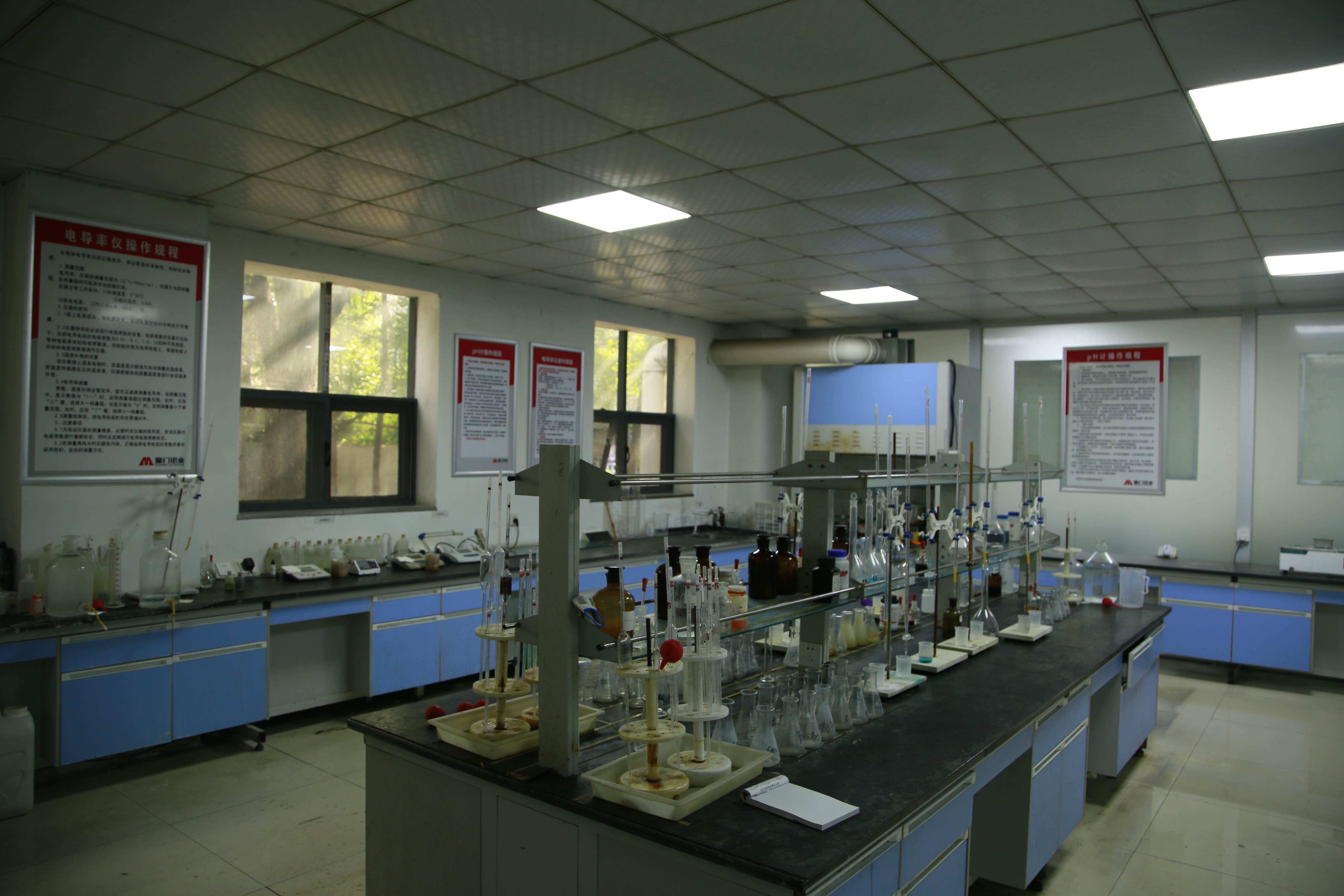
Testing is not limited to a final visual check. Haomen's documented corrosion-control measures include strict incoming material inspection, a standardised anti-corrosion coating process, a finished-product corrosion test before shipment, and fully sealed moisture-proof packaging. The company also selects high-purity aluminum raw material as part of its corrosion-risk control.
4. Engineering support: 35 engineers and OEM production
Haomen provides OEM production services supported by a 35-engineer technical team. In practice, that team carries the parts of a long-term agreement that cannot be reduced to a price list:
- Review of buyer drawings and profile cross-sections before tooling.
- Alloy and temper selection — for example 6063-T5 for architectural window and door profiles, or higher-strength 6061-T6 where structural loads call for it.
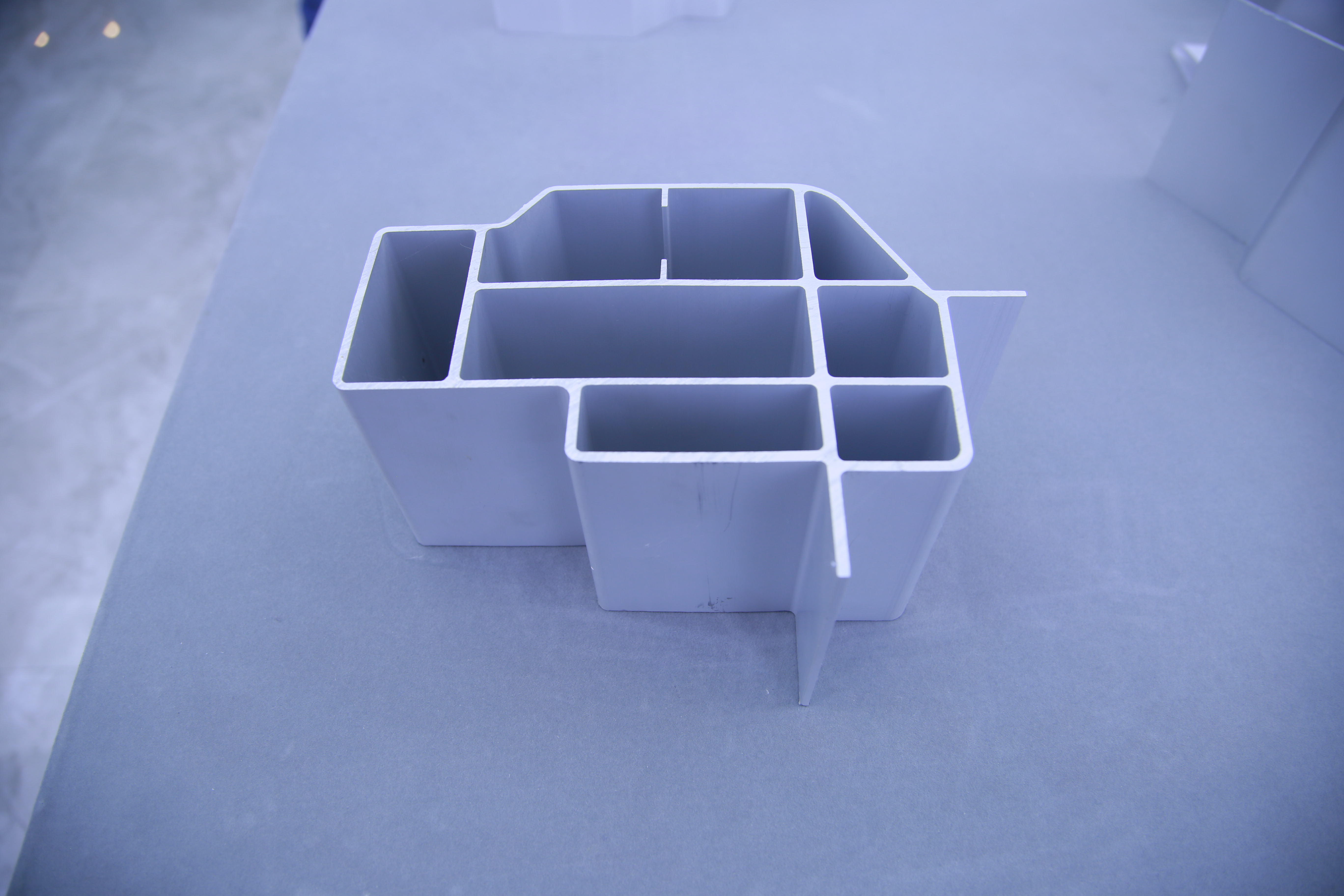
- Finish route selection across anodized, electrophoresis, powder coated, fluorocarbon coated and wood grain transfer profiles, plus thermal-break construction for insulated systems.
- Technical clarification during production and after delivery, handled remotely between the buyer's engineering contact and the Haomen team.
5. Packaging and dispatch discipline
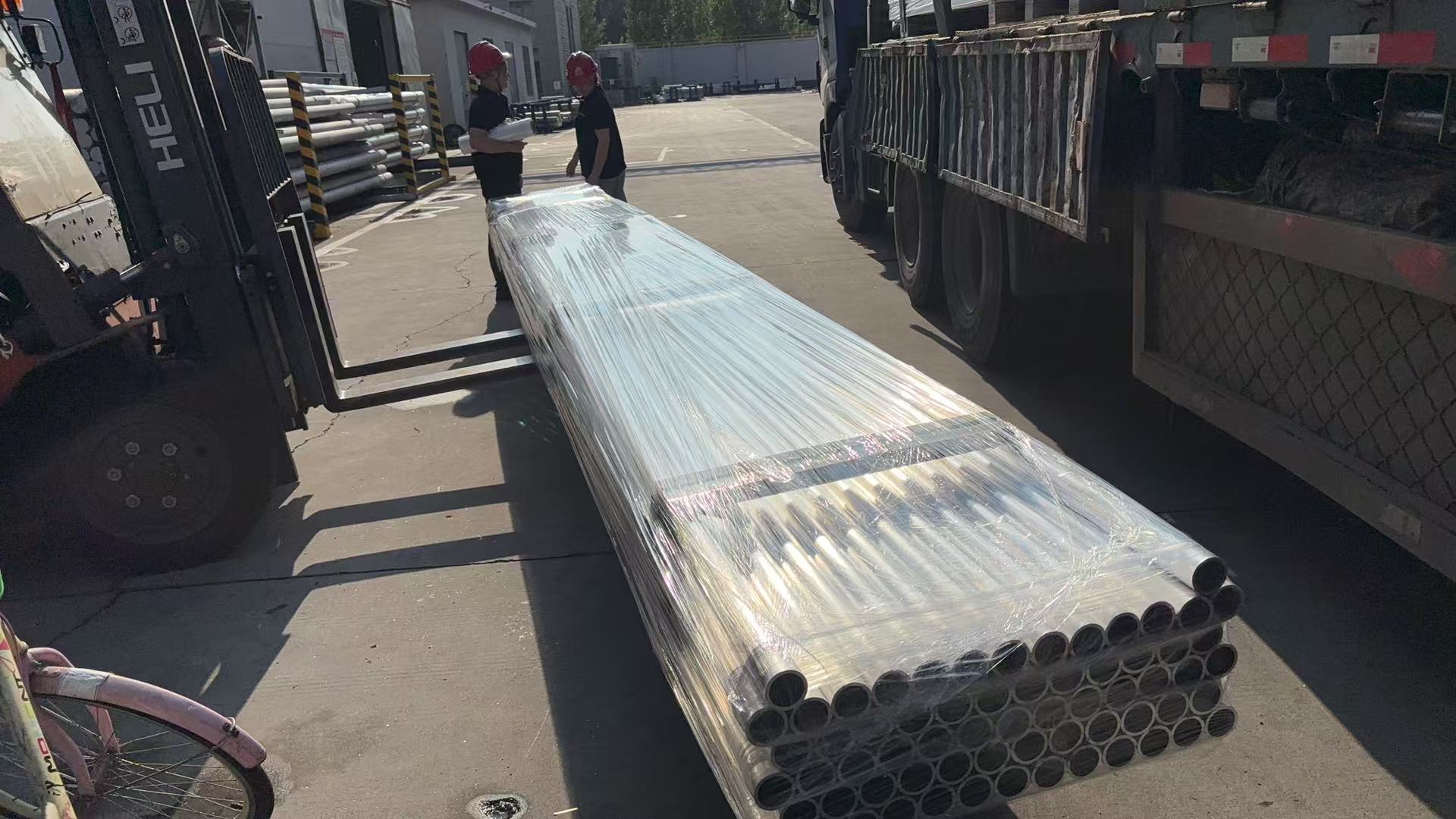
Corrosion and surface damage in transit are the most common causes of a claim that has nothing to do with the extrusion itself. Haomen's packaging approach is fully sealed, moisture-proof packing supported by a pre-shipment corrosion test, which protects the finish through a sea freight cycle and keeps the delivered batch comparable to the batch that was tested.
6. After-sales remote assistance
Because acceptance is settled on pre-shipment test data, post-delivery support is primarily a technical and documentation function rather than a re-inspection exercise. Remote assistance covers three areas: clarification of drawings, tolerances and finish specifications with the engineering team; retrieval of the inspection and test records that formed the basis of acceptance; and follow-up on packing, loading and documentation questions through the sales contact.
A practical note on warranty terms. Warranty length, claim windows and response times are contract-level items. They should be written explicitly into a long-term agreement rather than assumed from default market practice, and they should reference the same standard part and grade used in the acceptance clause.
Step-by-Step Breakdown: Assembling the Agreement in Six Steps
- Fix the specification by standard part, not by finish name. State the GB/T 5237 part that applies to each profile — Part 2 for anodized, Part 3 for electrophoresis, Part 4 for powder coated, Part 5 for fluorocarbon coated, Part 6 for thermal-break — and add the grade where a performance level matters. For North American projects, reference the applicable AAMA specification alongside it.
- Lock alloy and temper per profile. Confirm 6063-T5, 6061-T6 or another 6xxx grade against the load case, and record the minimum mechanical properties in the technical annex. The 6063-T5 minima of Rm ≥ 160 N/mm², Rp0.2 ≥ 110 N/mm² and A ≥ 8% are a defensible floor for architectural work.
- Write the commercial terms into the master agreement. 5-ton MOQ, FOB, 30/70 payment, pre-shipment testing as acceptance. These four items remove most of the room for later disagreement.
- Define the acceptance record. Agree in advance which test results constitute acceptance, who receives them, and what happens if a result falls outside the specification — before the first batch is produced.
- Build a release schedule around 20-day lead time and 8,000-ton monthly capacity. A rolling schedule with firm and forecast windows converts capacity into an allocation rather than a hope.
- Write the after-sales route and warranty clause. Name the commercial and technical contacts, set the claim window, and specify that any dispute is assessed against the pre-shipment test record.
Use Cases: Where This Terms Structure Fits
Sliding door and sliding window programmes
Buyers running repeating window and door lines need stable cross-sections, stable finish colour and stable lead time more than they need a lower unit price on a single batch. A 5-ton MOQ with a 20-day lead time supports a rolling replenishment model, and GB/T 5237 Part 2, 4 or 5 gives the finish a measurable acceptance definition.
Architectural and curtain wall projects
Façade work ties the profile order to a construction schedule. Where a project specifies a high-performance fluorocarbon finish, the acceptance clause should name the system that governs it, because AAMA 2605, the QUALICOAT Class system and GB/T 5237.5 use different test cycles and grading thresholds and are not interchangeable. Haomen's fluorocarbon coated and anodized architectural aluminium profile lines sit inside this structure.
Automotive and industrial buyers
IATF 16949:2016 is the entry gate for automotive production parts. A buyer sourcing automotive aluminum extrusions or industrial profiles can use a valid IATF certificate plus an agreed pre-shipment test protocol as the first filter, then move to process audit — rather than spending audit resource on suppliers that cannot qualify.
Distributors and brand owners running OEM programmes
For a distributor building a private-label range, the binding constraints are OEM production support, tooling review and repeatability across shipments. A 35-engineer team and 8,000-ton monthly capacity make it realistic to hold several active cross-sections at once without each release becoming a new project.
Purchasing Terms at a Glance
The table below consolidates the commercial and capability facts a long-term buyer needs in one place. All figures are as stated by Haomen Aluminum.
| Parameter | Haomen Aluminum position | What it means for a long-term agreement |
|---|---|---|
| Minimum order quantity | 5 tons | Sets the smallest release size between trial and series production |
| Delivery terms | FOB | Buyer controls freight, consolidation and insurance |
| Payment terms | 30/70 | Deposit and balance structure anchors the release schedule |
| Acceptance criteria | Pre-shipment test | Quality decision is made before dispatch, when correction is still possible |
| Lead time | 20 days | Supports rolling quarterly scheduling |
| Monthly capacity | 8,000 tons | Small relative order size per release; allocation is practical |
| Annual output | 100,000 tons | Indicates scale for multi-year volume planning |
| Testing | 100% product testing | Acceptance is backed by full-batch testing rather than sampling only |
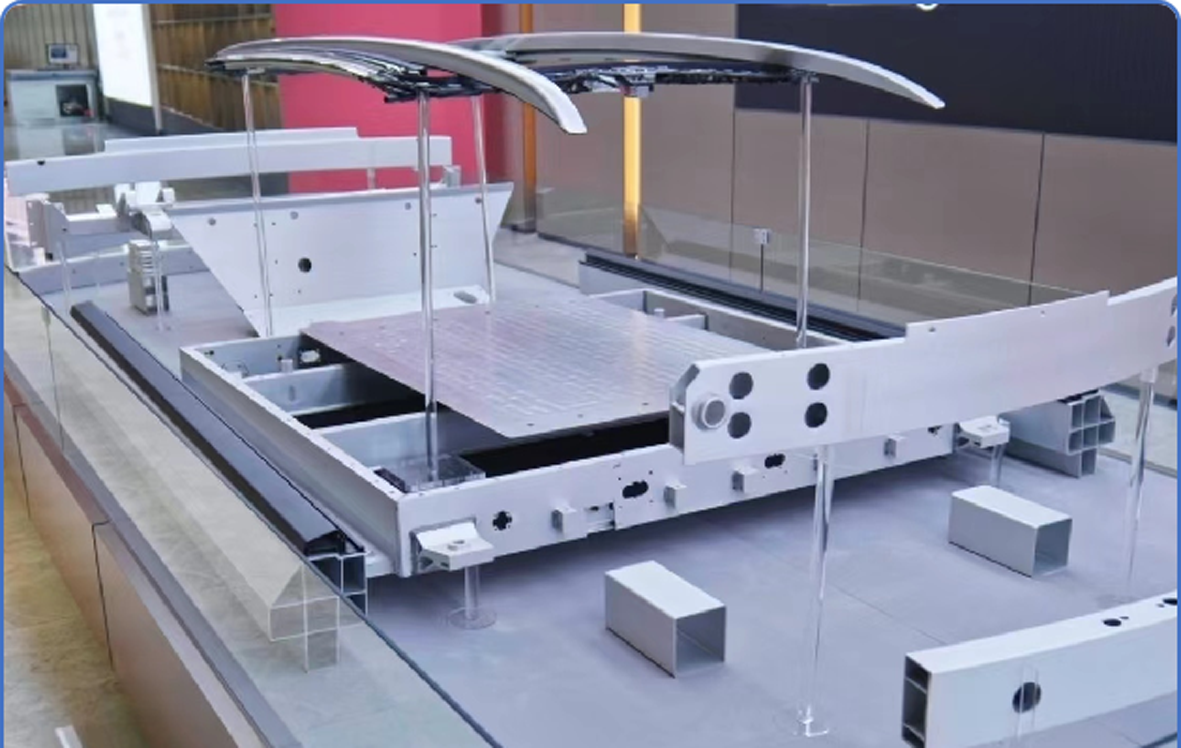
| Certifications | IATF 16949:2016, ISO 9001, ISO 14001, ISO 45001 | Automotive-grade quality management plus environmental and safety systems |
| Engineering team | 35 engineers | OEM drawing review, alloy and finish selection, technical clarification |
| Production site | 270,000 m², Linyi City, Shandong | Single-site control over extrusion, treatment and packing |
| Established | 2004 | Operating history spanning multiple order cycles |
Acceptance Criteria: Matching the Finish to the Right Standard
This is the table that prevents most disputes. Each surface treatment in China's GB/T 5237 series is handled as a separate technical object with its own part number, so an acceptance clause should name both the treatment and the part.
| Finish | Governing GB/T 5237 part | What to verify at acceptance |
|---|---|---|
| Mill finish (base material) | GB/T 5237.1 | Chemical composition and mechanical properties; for 6063-T5, Rm ≥ 160 N/mm², Rp0.2 ≥ 110 N/mm², A ≥ 8% |
| Anodized | GB/T 5237.2 | Anodic film thickness, with the grade named in the contract (AAMA 611 Class I ≥ 18 μm, Class II ≥ 10 μm where a North American grade is specified) |
| Electrophoretic coated | GB/T 5237.3 | Coating performance per the part, with film thickness and adhesion recorded |
| Powder coated | GB/T 5237.4 | Coating performance plus adhesion testing (ISO 2409 cross-cut) and corrosion testing (ISO 9227 salt spray) as supporting evidence |
| Fluorocarbon (PVDF) coated | GB/T 5237.5 | Coating performance per the part. Where AAMA 2605 or QUALICOAT is required, name the system that governs acceptance — the three are not interchangeable |
| Thermal-break | GB/T 5237.6 | Composite performance for the stated process route: strip type with PA66 polyamide bar, or pour-in type with polyurethane |
| Wood grain transfer | Sublimation transfer over a coated base | Base coating performance plus the transfer layer; specify the base finish and its standard part explicitly |
Why the finish name alone is not enough: AAMA 2605, the QUALICOAT Class system and GB/T 5237.5 each define a "high-performance fluorocarbon coating" through a different accelerated ageing cycle and different pass thresholds. A profile that satisfies one is not automatically compliant with another. The acceptance clause should name one governing system per market, not a list of logos.
Frequently Asked Questions
1. Which certifications does Haomen Aluminum hold, and what do they cover?
Haomen Aluminum holds IATF 16949:2016, ISO 9001, ISO 14001 and ISO 45001. IATF 16949:2016 is the automotive quality management system standard published by the International Automotive Task Force; it replaces ISO/TS 16949 and applies to automotive production and relevant service parts organisations, with certification issued by IATF-recognised bodies. ISO 9001 is the general quality management standard, while ISO 14001 and ISO 45001 cover environmental management and occupational health and safety management. For a buyer, the practical distinction is that IATF 16949:2016 indicates process control built for automotive supply chains, which is a stricter entry gate than ISO 9001 alone.
2. Can Haomen produce OEM profiles to our own drawings, and who reviews the technical details?
Yes — Haomen provides OEM production services, supported by a 35-engineer technical team. Drawing and cross-section review, alloy and temper selection, and finish route selection are handled before tooling and production. The plant operates a 270,000 m² site with 8,000 tons of monthly capacity and 100,000 tons of annual output, which is what allows several buyer-specific cross-sections to run in parallel without each release becoming a standalone project.
3. What are the purchasing terms, and how is price handled in a long-term agreement?
The published purchasing terms are an MOQ of 5 tons, FOB delivery terms, 30/70 payment terms, and pre-shipment testing as the acceptance criterion. These are the four commercial variables that define an order. Unit pricing is quoted per project rather than published, because it depends on alloy, temper, cross-section complexity, finish route and order volume; a long-term agreement therefore fixes the terms above and the specification annex, so that the only remaining variable at each release is volume and scheduling.
4. How does batch validation work before we accept a shipment?
Acceptance is defined as pre-shipment testing, and Haomen applies 100% product testing rather than relying on sampling alone. Corrosion control follows the same logic: strict incoming material inspection, a standardised anti-corrosion coating process, a finished-product corrosion test before shipment, and fully sealed moisture-proof packaging. For the buyer, the working rule is to agree in advance which test results constitute acceptance, in which standard and grade they are expressed, and who receives them — so that the record exists before the container is loaded rather than after a question arises.
5. What lead time and after-sales support should a long-term buyer plan around?
The stated lead time is 20 days, with FOB delivery terms, which means the buyer controls onward freight and can consolidate shipments across suppliers. After dispatch, remote assistance covers technical clarification of drawings, tolerances and finish specifications with the engineering team, retrieval of the pre-shipment inspection and test records that formed the basis of acceptance, and follow-up on packing and documentation questions through the named sales contact. Warranty length and claim windows should be written into the contract itself, referencing the same standard part and grade used in the acceptance clause. A useful starting point for a new partnership is a 5-ton trial release covering the exact finish and alloy you intend to run for the following year — the Haomen Aluminum e-catalogue lists the available profile families and finish routes you can shortlist from.
Conclusion: Terms First, Volume Second
A long-term aluminum profile partnership is not created by a lower price or a longer contract. It is created by making five things unambiguous: the standard that governs each finish, the alloy and temper in the specification annex, the commercial terms (5-ton MOQ, FOB, 30/70, pre-shipment testing), the release schedule built around a 20-day lead time and 8,000 tons of monthly capacity, and the after-sales and warranty route in writing.
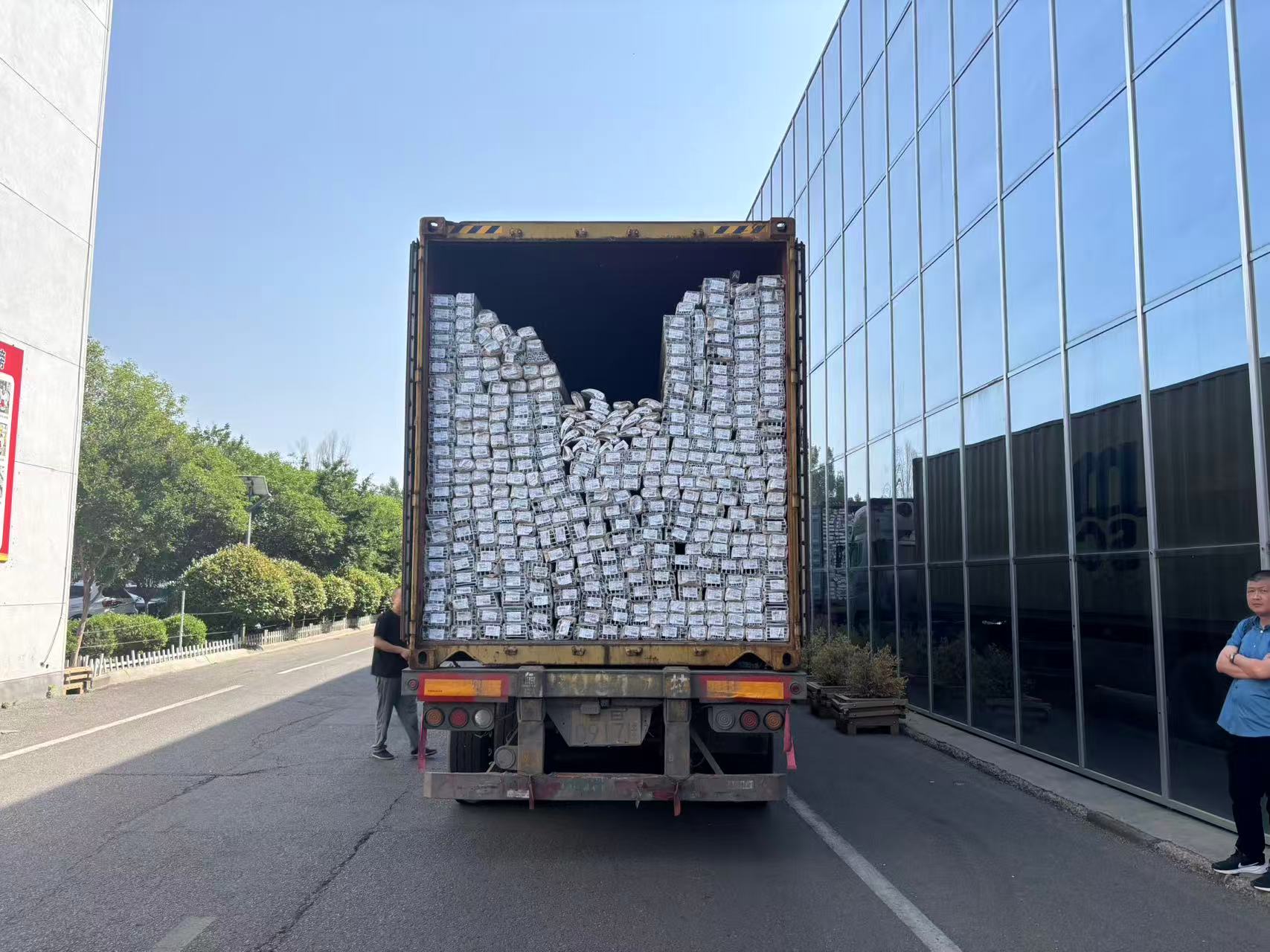
Haomen Aluminum's position on those five points is concrete: 100% product testing, four management-system certifications including IATF 16949:2016, a 35-engineer team for OEM drawing review, sealed moisture-proof packaging with a pre-shipment corrosion test, and support for sliding door, sliding window, curtain wall and industrial aluminum profile programmes across markets that include South America and Africa. Buyers who need to confirm any of these before committing to a schedule can request the supporting documentation directly.
Next Step: Request the Profile Catalogue and a Quotation
If you are evaluating a long-term supply arrangement for sliding door, sliding window, curtain wall or OEM aluminum profiles, start with the specification and work backwards. Download the Haomen Aluminum e-catalogue, send your drawings and finish requirements for a project-specific quotation, or request a 5-ton trial release against your acceptance standard.
Shandong Haomen Import & Export Co., Ltd. (Haomen Aluminum)
Website: www.haomenly.com
Contact: Melisa Ying | Email: haomen2004@gmail.com | Tel / WhatsApp: +86 15153910991
Address: Ceshan Industrial Park, Luozhuang District, Linyi City, Shandong Province, China
Have Questions or Need More Details?
Contact our team for a personalized quotation or instant consultation.
Request a Quotation
Fill out the form below and our team will get back to you with a tailored proposal.
WhatsApp Direct Chat
Prefer to chat in real-time? Message us on WhatsApp for instant assistance & quick answers.
- Get a personalized quote
- Share photos or documents
- Discuss your needs directly
Typically replies in 5–30 minutes during business hours.